Physical Address
304 North Cardinal St.
Dorchester Center, MA 02124
Physical Address
304 North Cardinal St.
Dorchester Center, MA 02124
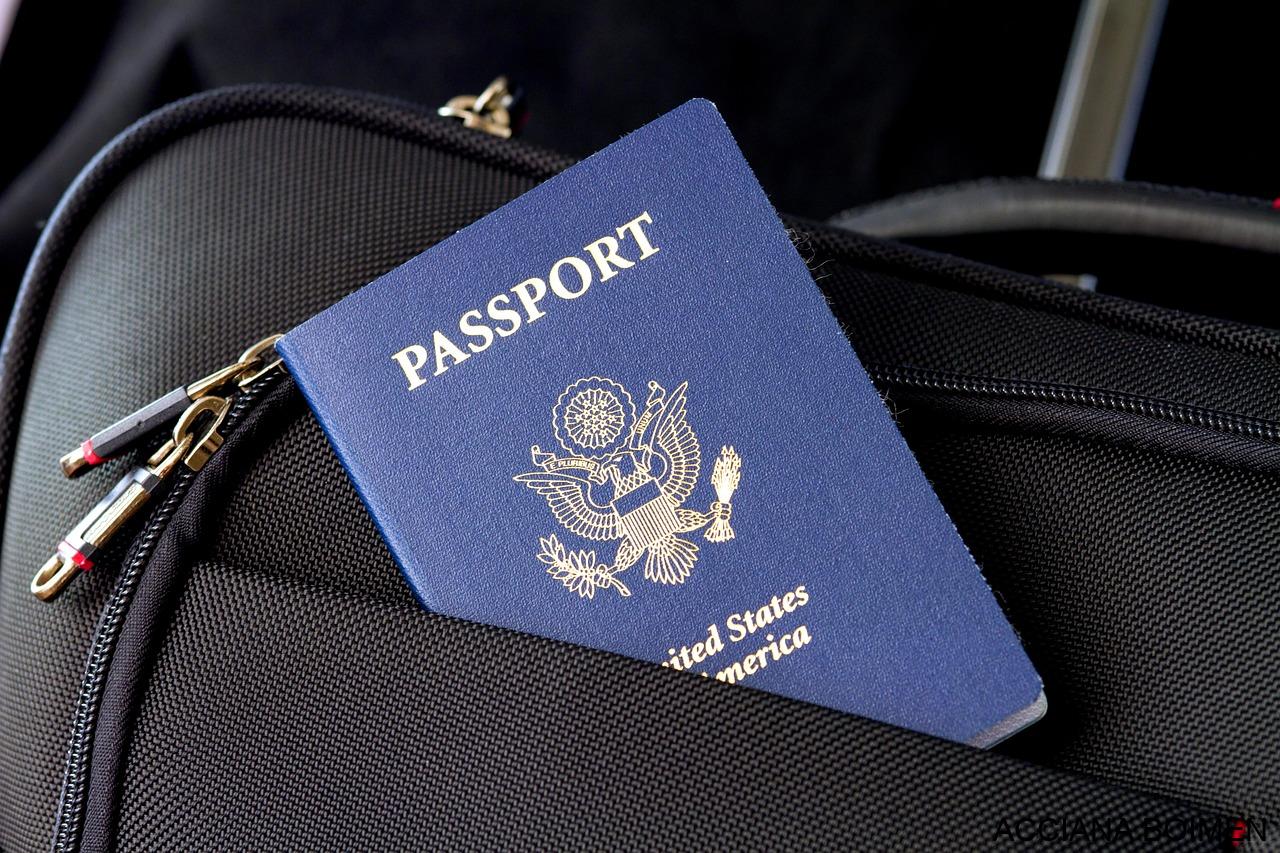
Working in the United States requires more than a job offer. It requires the correct immigration status, employer compliance with federal labor rules, and careful preparation of documentation. For first-time applicants, the U.S. system can appear fragmented because different agencies handle different parts of the process. This guide explains the main work visa pathways, eligibility rules, processing timelines, and practical considerations so you can understand how the system actually functions.
The United States separates temporary (nonimmigrant) work visas from permanent employment-based immigration. Most foreign nationals begin with a temporary work visa sponsored by a U.S. employer. Permanent residency, often called a “green card,” may follow through a separate petition.
Answer 8 quick questions and get a personalized eligibility report with your score, strengths, and next steps — in under 2 minutes.
Take our Advanced Quiz to uncover hidden strengths and get a full action plan to maximize your fellowship chances.
Based on both quizzes, you have a solid profile for fellowship and scholarship applications. Here's your action plan:
Three federal bodies are typically involved:
This division reflects U.S. labor policy: protecting domestic wages while allowing employers to access foreign talent when skill gaps exist.
The appropriate visa depends on your qualifications, employer type, and long-term goals.
Advertisements1
Answer 5 quick questions and we'll match you with the best scholarships, visas, and work opportunities for your exact profile.
Ranked by compatibility with your profile
| Visa Category | Who It Is For | Employer Sponsorship Required | Labor Certification | Typical Validity | Path to Permanent Residency |
|---|---|---|---|---|---|
| H-1B | Specialty occupations requiring at least a bachelor’s degree | Yes | Labor Condition Application (LCA) | Up to 6 years (with extensions) | Often transitions to EB-2 or EB-3 |
| L-1 | Intra-company transferees (managers or specialized knowledge) | Yes (same corporate group) | No DOL labor certification | Up to 7 years (managers) | Possible via EB-1C |
| EB-3 | Skilled workers and professionals seeking permanent residency | Yes | PERM labor certification required | Permanent (if approved) | Direct green card category |
Most U.S. work visas require a sponsoring employer. This means:
For example, H-1B employers must file a Labor Condition Application confirming wage compliance and workplace conditions. For permanent roles under EB-3, employers must complete the PERM labor certification process to show that no qualified U.S. worker is available at the offered wage.
Self-petition options exist in limited high-skill categories, but most first-time applicants rely on employer sponsorship.
Eligibility depends on both the job and the worker.
Shortage occupations can influence employer willingness to sponsor, especially in healthcare, engineering, and certain technical fields. However, there is no automatic approval based on occupation alone.
Processing times vary widely depending on visa category, government workload, and whether the applicant is applying from inside or outside the United States.
USCIS publishes estimated processing times by form type (USCIS Processing Times). These are estimates, not guarantees. Delays can result from additional evidence requests or security checks.
Work visa applications involve mandatory government filing fees. In employer-sponsored cases, many of these fees must legally be paid by the employer. Costs may include:
Fee structures change periodically, and applicants should confirm current amounts directly with USCIS or the Department of State. Additional expenses may arise if legal representation is used.
Daniel, a software engineer with a bachelor’s degree in computer science, receives a job offer from a U.S. technology firm. The employer determines the role qualifies as a specialty occupation and files an H-1B petition.
Step one: The employer submits a Labor Condition Application to the Department of Labor, confirming that Daniel will be paid at or above the prevailing wage.
Step two: After LCA approval, the employer files Form I-129 with USCIS. Several months later, USCIS approves the petition.
Step three: Because Daniel is outside the United States, he attends a visa interview at a U.S. consulate. He provides proof of qualifications, employment details, and background documentation.
Only after visa issuance can Daniel travel to the U.S. and begin employment. If the company later wants to sponsor him for permanent residency, it must begin a separate green card process. At no stage is approval automatic; each step requires independent review.
These obligations reflect U.S. labor protections and immigration controls. Entering on a work visa requires ongoing compliance, not a one-time approval.
Employment-based visas are shaped by competing policy goals: addressing skill shortages while protecting domestic workers. Wage floor requirements are intended to prevent underpayment. Annual caps in some categories, such as H-1B, reflect political compromises rather than pure labor demand.
Backlogs in permanent categories often result from per-country limits embedded in U.S. immigration law. These limits can significantly extend waiting times for nationals of certain countries, even when employers are prepared to sponsor them.
Can I apply for a U.S. work visa without a job offer?
In most standard categories, no. Employer sponsorship is required. Limited self-petition categories exist for individuals with extraordinary ability or significant achievements.
Can I change employers?
In some categories, such as H-1B, transfer to a new employer is possible if the new employer files a petition. Approval is not automatic.
Does a work visa lead to citizenship?
Not directly. Citizenship requires permanent residency first, followed by several years of residence and eligibility under naturalization rules.
Are family members allowed?
Many work visas permit spouses and children to accompany the principal applicant, though work authorization rules for dependents vary by category.
The U.S. work visa system is structured, rule-driven, and employer-centered. It offers legitimate pathways for skilled worker immigration but requires careful coordination between employer and employee. Processing times can be lengthy, sponsorship obligations are significant, and permanent residency is never automatic.
For newcomers, the key is understanding that U.S. employment immigration operates within a regulatory framework designed to balance economic demand with labor protections. Successful applications depend on meeting statutory requirements, maintaining documentation, and preparing for administrative variability.
Editorial note: This article is based on publicly available information from U.S. government sources, including USCIS, the Department of Labor, and the Department of State. It is for informational purposes only and does not constitute legal advice. Immigration rules change, and readers should verify current requirements through official government websites. The author has experience researching immigration systems and labor market policy frameworks.


