Physical Address
304 North Cardinal St.
Dorchester Center, MA 02124
Physical Address
304 North Cardinal St.
Dorchester Center, MA 02124
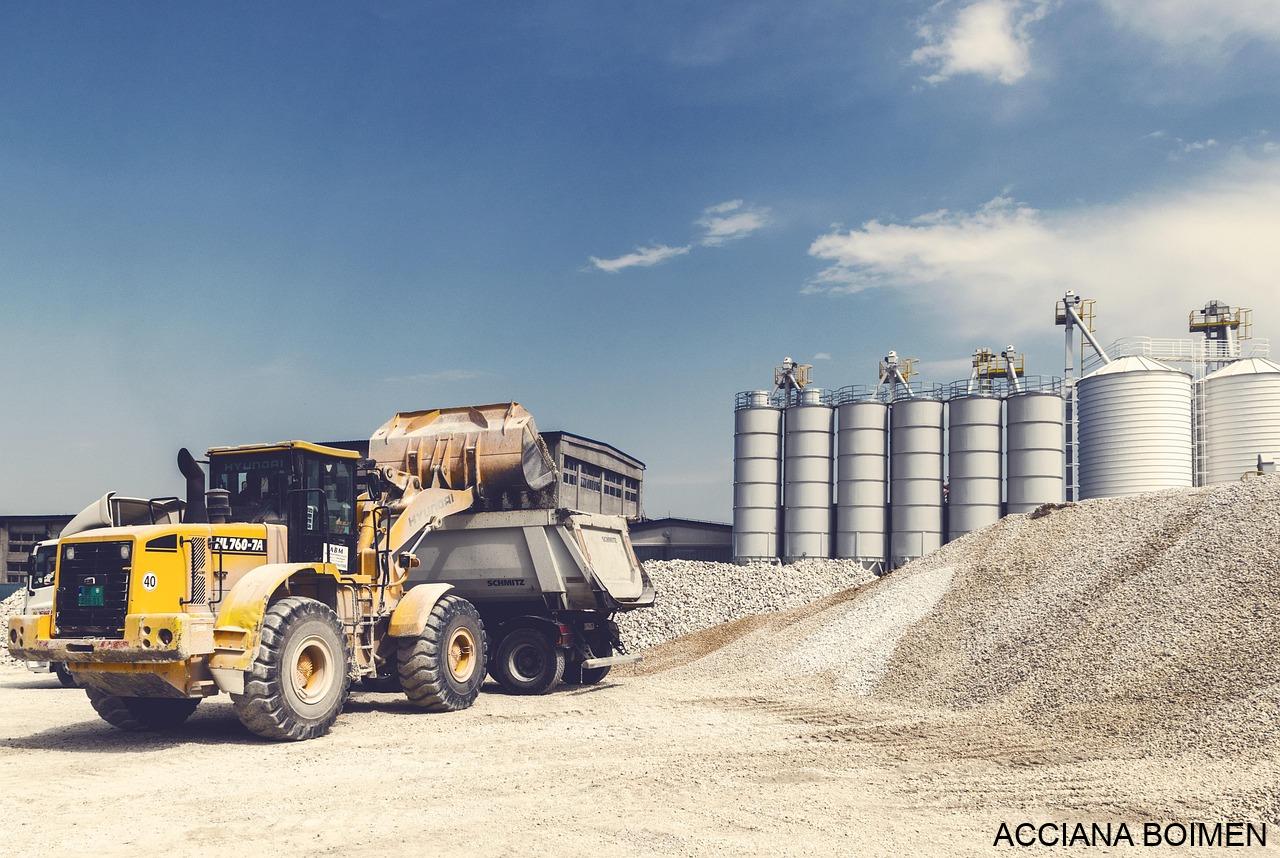
Germany is expected to continue recruiting heavy equipment drivers in 2026 as infrastructure expansion, renewable energy projects, logistics modernization, and housing construction increase demand for skilled operators. For U.S.-based readers exploring overseas employment, this is not simply a matter of job availability. It involves understanding Germany’s labor shortages, licensing recognition rules, visa pathways, and employer sponsorship requirements.
Germany faces structural workforce gaps driven by demographic decline and an aging domestic labor force. According to Germany’s Federal Employment Agency (Bundesagentur für Arbeit), skilled trades and transport-related occupations have remained difficult to fill in several regions. Heavy equipment drivers — including excavator operators, crane operators, bulldozer drivers, and specialized construction vehicle operators — are part of this broader shortage landscape.
Answer 8 quick questions and get a personalized eligibility report with your score, strengths, and next steps — in under 2 minutes.
Take our Advanced Quiz to uncover hidden strengths and get a full action plan to maximize your fellowship chances.
Based on both quizzes, you have a solid profile for fellowship and scholarship applications. Here's your action plan:
Germany’s infrastructure strategy includes rail upgrades, highway maintenance, energy grid expansion, and industrial construction. These projects require licensed operators who can safely handle large machinery. At the same time, retirements in the construction and logistics sectors are accelerating. Fewer young workers are entering physically demanding trades, creating sustained recruitment pressure.
Unlike short-term labor spikes, this shortage reflects long-term demographic trends. Germany’s working-age population is shrinking, which is why the government has expanded skilled worker immigration pathways under the Skilled Immigration Act. Official information on employment migration is available at Make it in Germany, the federal government’s portal for international professionals.
The term covers several occupations, including:
Advertisements1
Answer 5 quick questions and we'll match you with the best scholarships, visas, and work opportunities for your exact profile.
Ranked by compatibility with your profile
These roles typically require formal vocational training in Germany. Foreign applicants must demonstrate equivalent qualifications and, in many cases, obtain recognition of professional credentials.
U.S. citizens do not need a visa to enter Germany for short stays, but they must apply for a residence permit if they intend to work. For heavy equipment drivers, the most relevant pathways fall under Germany’s skilled worker immigration framework.
| Pathway | Who It Applies To | Key Requirements | Employer Sponsorship |
|---|---|---|---|
| Skilled Worker with Recognized Qualification | Applicants with vocational training equivalent to German standards | Credential recognition, job offer, employment contract aligned with qualification | Yes, job offer required |
| EU Blue Card (rare for this occupation) | Higher-education graduates meeting salary thresholds | University degree, qualifying salary level | Yes |
| Opportunity Card (Chancenkarte) | Points-based jobseekers meeting language and qualification criteria | Recognized skills, financial self-support proof | No initial offer required, but employment needed later |
For heavy equipment drivers, the Skilled Worker pathway is the most common route. Details are administered through Germany’s Federal Office for Migration and Refugees (BAMF).
Germany regulates skilled trades more strictly than many U.S. states. A commercial driver’s license alone is usually insufficient. Applicants may need:
The recognition process (Anerkennung) evaluates whether your U.S. qualifications match German standards. If gaps are identified, authorities may require adaptation training or exams.
Construction sites operate primarily in German. Even when technical supervisors speak English, safety compliance demands functional German. Most employers expect at least basic conversational ability. For regulated trades, immigration authorities often require documented language certification.
Germany does not use a sponsorship system identical to the U.S. model. Instead, a binding job offer is required for most skilled worker permits. Employers must demonstrate that working conditions match local standards. In some cases, the Federal Employment Agency reviews whether wages align with regional norms.
This review protects both domestic and foreign workers. It ensures that foreign recruitment addresses genuine shortages rather than undercutting wages.
Salaries for heavy equipment drivers vary by region, experience, and project type. Industrial regions in western and southern Germany often offer higher wages than rural eastern states. Large infrastructure projects may provide union-based pay scales. However, take-home income depends on tax class, social contributions, and housing costs.
Applicants should evaluate net income rather than headline figures. Germany’s social insurance system includes health insurance, pension contributions, unemployment insurance, and long-term care coverage.
Daniel, a 34-year-old excavator operator from Texas, had eight years of experience on highway expansion projects. He identified a Bavarian construction firm recruiting internationally. After receiving a conditional job offer, he applied for credential recognition.
German authorities determined that his training was partially equivalent but required a short adaptation course covering EU safety regulations and machinery standards. Daniel completed the training in Germany while on a temporary residence permit. After meeting language requirements and final approval, he received a skilled worker residence permit tied to his employer.
His case illustrates several realities: recognition may take months, adaptation training can be mandatory, and work authorization depends on documentation accuracy.
Incomplete or inconsistent documentation can delay approval. Processing times vary by region and application volume.
Before pursuing this pathway, applicants should realistically assess:
Germany offers pathways toward permanent residency after several years of lawful employment, but eligibility depends on integration, income stability, and language proficiency. Permanent residence is not automatic.
Heavy equipment operation involves physically demanding conditions, variable weather, and project-based employment cycles. Economic slowdowns can delay infrastructure investments. Additionally, regional licensing authorities may interpret recognition rules differently.
Relocation also involves cultural adaptation, housing market navigation, and integration into Germany’s structured apprenticeship-based trade culture. Workers accustomed to independent contracting in the U.S. may find Germany’s collective agreements and regulatory oversight more formalized.
Germany’s recruitment of heavy equipment drivers in 2026 reflects structural labor shortages rather than short-term hiring campaigns. For U.S. applicants, opportunities exist within a clearly regulated immigration framework. Success depends on credential recognition, language preparation, employer alignment, and patience with administrative procedures.
This pathway can provide stable employment within Germany’s social insurance system and may lead to long-term residence eligibility. However, it requires compliance with vocational standards and immigration law. Applicants should approach the process as a structured professional transition rather than a quick overseas job change.
Editorial note: This article is based on publicly available information from German government sources, including BAMF, the Federal Employment Agency, and the Make it in Germany portal. It is intended for informational purposes only and does not constitute legal advice. Immigration policies change, and readers should verify current rules through official sources. The author has experience researching immigration systems and labor market dynamics.


