Physical Address
304 North Cardinal St.
Dorchester Center, MA 02124
Physical Address
304 North Cardinal St.
Dorchester Center, MA 02124
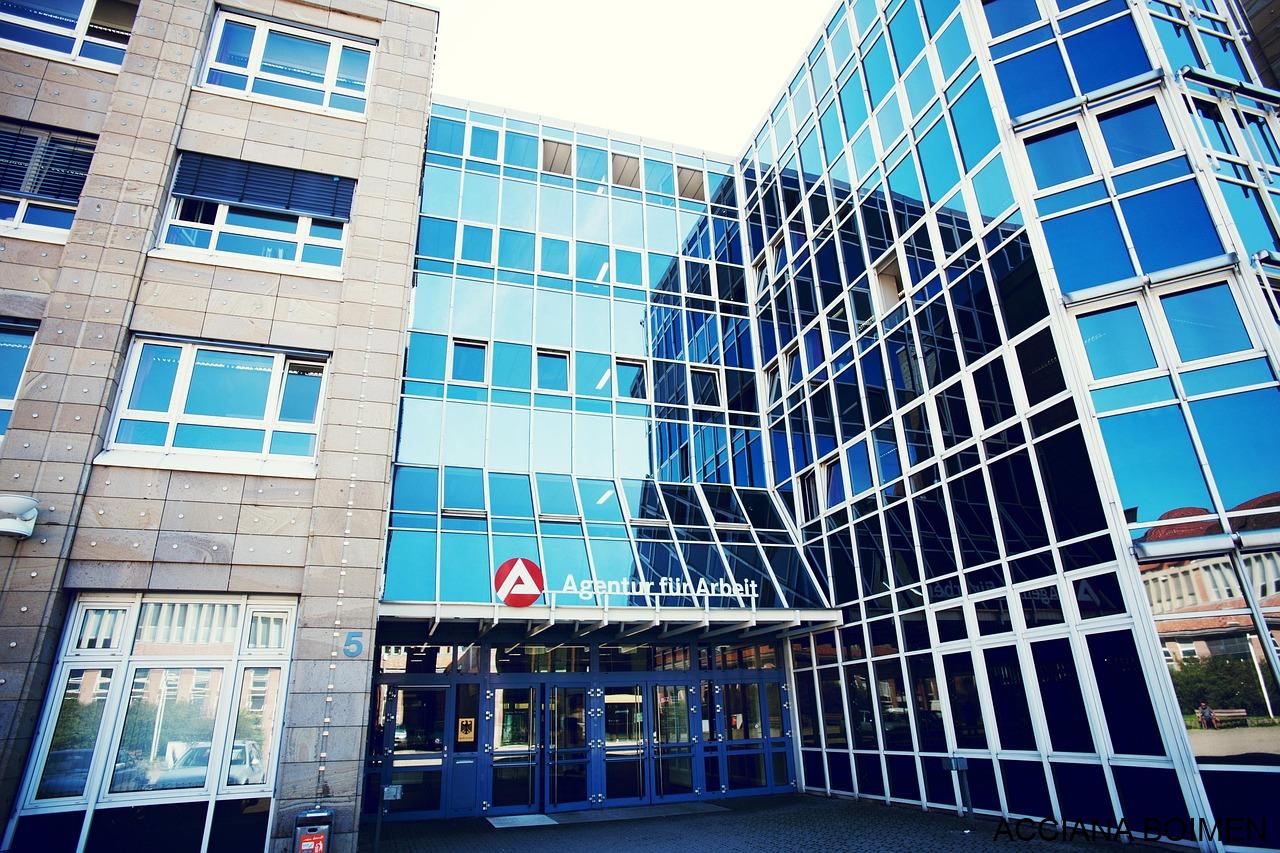
For many international professionals, the phrase “fully sponsored work visa job” signals a practical question: which U.S. employers are legally able and willing to sponsor foreign workers, and what does sponsorship actually involve? In the United States, employer sponsorship is not a shortcut or a special favor. It is a regulated legal process that allows companies to hire foreign nationals when they meet defined immigration and labor standards.
This article explains how fully sponsored work visa jobs function in the U.S., which visa categories are most relevant, what employers must prove, and what applicants should realistically prepare for before applying.
Answer 8 quick questions and get a personalized eligibility report with your score, strengths, and next steps — in under 2 minutes.
Take our Advanced Quiz to uncover hidden strengths and get a full action plan to maximize your fellowship chances.
Based on both quizzes, you have a solid profile for fellowship and scholarship applications. Here's your action plan:
In the United States, a sponsored job typically means:
The most common temporary work visas involving sponsorship include the H-1B (specialty occupations), H-2B (temporary non-agricultural work), H-2A (agricultural work), O-1 (extraordinary ability), and L-1 (intra-company transfers). Permanent residency sponsorship often occurs through employment-based immigrant visas (EB categories).
Official guidance is available through U.S. Citizenship and Immigration Services (USCIS) and the U.S. Department of Labor (DOL), which oversees wage and labor condition requirements.
Advertisements1
Answer 5 quick questions and we'll match you with the best scholarships, visas, and work opportunities for your exact profile.
Ranked by compatibility with your profile
| Visa Type | Who It’s For | Employer Requirements | Duration | Path to Permanent Residency |
|---|---|---|---|---|
| H-1B | Specialty occupations requiring a bachelor’s degree or higher | Labor Condition Application (LCA), prevailing wage compliance, USCIS petition | Up to 6 years (with extensions possible) | Yes, via EB-2 or EB-3 |
| H-2B | Seasonal or temporary non-agricultural jobs | Temporary labor certification, proof of seasonal need | Up to 3 years maximum | No direct pathway |
| H-2A | Agricultural workers | Temporary agricultural certification, housing obligations | Temporary/seasonal | No direct pathway |
| L-1 | Employees transferring from foreign offices | Qualifying corporate relationship, prior employment abroad | Up to 7 years (L-1A) | Often leads to EB-1C |
| O-1 | Individuals with extraordinary ability | Extensive documentation of achievements | Initial 3 years, renewable | Possible under EB-1 |
U.S. employment-based immigration policy exists to address labor shortages and skill gaps while protecting domestic wages. For example, the H-1B program targets roles requiring specialized theoretical knowledge—often in technology, engineering, healthcare, and finance. Employers must pay at least the prevailing wage determined by the Department of Labor to prevent wage undercutting.
Temporary worker programs such as H-2A and H-2B respond to seasonal labor shortages in agriculture, hospitality, landscaping, and food processing. These roles depend on cyclical demand and often have annual numerical caps.
The structure reflects a balancing act: enabling economic growth while preventing displacement of U.S. workers. This is why sponsorship processes are documentation-heavy and employer-driven.
Case Study: Daniel, Mechanical Engineer
Daniel, a mechanical engineer with five years of experience abroad, applies for a U.S. role requiring a bachelor’s degree in engineering. The employer agrees to sponsor him under the H-1B category.
Three years later, the employer begins the PERM labor certification process for permanent residency under EB-2. This requires recruitment steps to test the U.S. labor market before filing an immigrant petition.
Daniel’s case illustrates that “fully sponsored” means multi-stage compliance, not immediate permanence.
Although requirements vary by visa type, applicants generally need:
Employers must document:
Processing times vary depending on visa category, annual caps, and USCIS workload. Official updates are available via U.S. Department of State and USCIS processing time tools.
Applicants should also recognize that immigration rules can change due to regulatory or legislative updates.
Employer-sponsored permanent residency usually falls under employment-based categories:
Most EB-2 and EB-3 cases require PERM labor certification through the Department of Labor, demonstrating no qualified U.S. worker is available at the offered wage.
Visa bulletin backlogs can create multi-year waits depending on country of birth. This is an important planning factor.
Employer-sponsored work visas provide lawful employment and potential long-term stability. However, they create dependency on employer compliance and financial health. If a sponsoring company restructures or downsizes, immigration status can be affected.
In addition, credential recognition challenges may arise in regulated professions such as healthcare or law, where state licensing is separate from federal immigration approval.
Can I apply directly for a sponsored job from abroad?
Yes, many applicants apply while outside the U.S., but visa issuance requires consular processing after petition approval.
Do all U.S. employers sponsor foreign workers?
No. Sponsorship depends on company size, budget, and workforce strategy.
Is English proficiency required?
While not always a formal visa requirement, employers typically require functional or professional English skills.
How long does permanent residency take?
Timelines vary widely depending on visa category, processing speed, and visa bulletin backlogs.
Fully sponsored work visa jobs in the United States are structured legal arrangements designed to address labor needs while safeguarding domestic employment standards. They are viable for qualified professionals and seasonal workers alike, but they demand employer participation, regulatory compliance, and patience.
For new applicants, the most important step is understanding that sponsorship is a formal immigration process governed by federal law—not an informal hiring decision. Careful preparation, realistic expectations, and familiarity with official guidelines significantly improve readiness for this pathway.
Editorial Note: This article is based on publicly available information from U.S. government sources, including USCIS, the Department of Labor, and the Department of State. It is for informational purposes only and does not constitute legal advice. Immigration policies change, and readers should verify current requirements through official government websites. The author has experience researching immigration systems and labor market dynamics.


