Physical Address
304 North Cardinal St.
Dorchester Center, MA 02124
Physical Address
304 North Cardinal St.
Dorchester Center, MA 02124
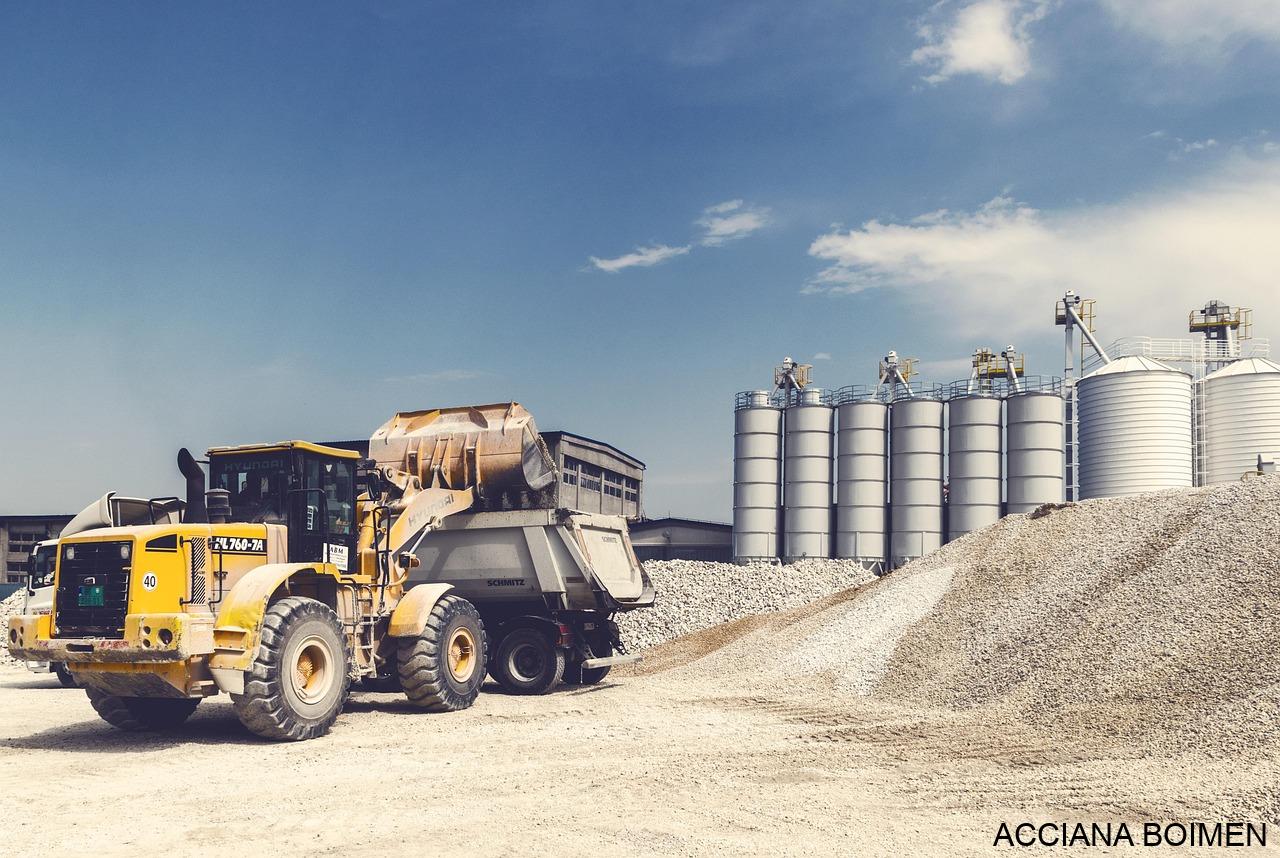
Germany’s construction, logistics, and infrastructure sectors rely heavily on skilled heavy equipment drivers—professionals trained to operate excavators, bulldozers, cranes, loaders, and specialized transport vehicles. For workers outside the European Union, the possibility of visa sponsorship makes Germany an attractive employment destination. However, access depends on qualifications, labor market rules, and immigration eligibility under German law.
This guide explains how heavy equipment driver jobs in Germany work for non-EU applicants, what visa pathways exist, and what practical commitments are involved. The focus is clarity and realistic expectations rather than recruitment promises.
Answer 8 quick questions and get a personalized eligibility report with your score, strengths, and next steps — in under 2 minutes.
Take our Advanced Quiz to uncover hidden strengths and get a full action plan to maximize your fellowship chances.
Based on both quizzes, you have a solid profile for fellowship and scholarship applications. Here's your action plan:
Germany faces demographic pressure from an aging workforce and persistent shortages in construction and infrastructure trades. Major public works projects, housing demand in metropolitan regions, and renewable energy expansion all require machine operators trained in earthmoving and industrial equipment.
While Germany prioritizes EU workers under freedom-of-movement rules, employers may hire third-country nationals when positions cannot be filled locally. This is where visa sponsorship and the German skilled worker immigration framework become relevant.
The legal basis for most employment migration is the Skilled Immigration Act (Fachkräfteeinwanderungsgesetz), which allows qualified non-EU workers to take up employment if their qualifications are recognized and employment conditions meet German standards.
Advertisements1
Answer 5 quick questions and we'll match you with the best scholarships, visas, and work opportunities for your exact profile.
Ranked by compatibility with your profile
Heavy equipment drivers typically enter Germany through one of the following routes:
This is the most common pathway. Applicants must:
Recognition of foreign qualifications is assessed through the official portal at Anerkennung in Deutschland.

The EU Blue Card generally applies to university graduates in higher-skilled occupations. Heavy equipment driving rarely qualifies unless combined with advanced technical or engineering credentials. Most applicants will not use this route.

For certain roles, the Federal Employment Agency (Bundesagentur für Arbeit) must approve employment to confirm that:
Official labor market information is available at Bundesagentur für Arbeit.
| Criteria | Skilled Worker Visa | EU Blue Card | Standard Employment Approval |
|---|---|---|---|
| Qualification Requirement | Recognized vocational training | University degree | Depends on occupation |
| Job Offer Required | Yes | Yes | Yes |
| Wage Threshold | Must meet sector standard | Statutory minimum salary threshold | Must meet sector standard |
| Recognition Process | Mandatory | Degree recognition required | Often required |
| Path to Permanent Residency | Possible after several years | Accelerated in some cases | Possible with continued employment |
Germany regulates many technical occupations. Even if “heavy equipment driver” is not strictly licensed nationwide, employers often require proof of formal vocational training, machinery certifications, and safety credentials. If your training was completed outside Germany, you must apply for formal recognition.
Recognition determines whether your qualification is equivalent to a German vocational certificate. Partial recognition may require adaptation training or exams before full approval is granted.
German language skills are frequently necessary. Construction sites, safety instructions, and compliance documentation are typically conducted in German. While no universal language level is mandated for all equipment operators, many employers expect at least basic to intermediate proficiency.
Language expectations vary by region and employer, particularly in rural vs. urban construction projects.
Wages depend on region, collective bargaining agreements, union presence, and experience level. Southern and western Germany often offer higher pay than eastern regions, reflecting cost-of-living differences and industrial concentration.
German labor law mandates:
Foreign workers are entitled to the same labor protections as domestic workers.
Profile: Daniel, a 32-year-old excavator operator from outside the EU, with eight years of construction experience and a technical training certificate.
Step 1: Daniel applies for recognition of his vocational qualification through the official German recognition portal. Authorities determine partial equivalency and require a short adaptation course.
Step 2: While completing adaptation training, Daniel secures a conditional job offer from a mid-sized infrastructure company.
Step 3: The employer submits documentation for Federal Employment Agency approval confirming that wage conditions match collective standards.
Step 4: Daniel applies for a Skilled Worker Visa at the German consulate in his home country.
Outcome: After approval, he enters Germany, registers his residence, enrolls in health insurance, and begins work under the terms specified in his contract.
This scenario illustrates that visa sponsorship involves coordinated steps between worker, employer, and authorities. It is structured and document-intensive rather than informal.
Applicants should verify updated requirements via the German Federal Foreign Office and the Federal Office for Migration and Refugees (BAMF).
Before pursuing heavy equipment driver jobs in Germany with visa sponsorship, applicants should realistically assess the following:
Immigration rules evolve, and labor market policies are periodically adjusted.
Germany offers structured labor protections, predictable wage standards, and access to long-term residency pathways after sustained legal employment. However, applicants must consider:
Mobility within the EU may become easier after obtaining long-term residency status, but this requires several years of compliant employment and residence.
Heavy equipment driver jobs in Germany with visa sponsorship are accessible under structured skilled worker immigration rules. The pathway exists because Germany seeks to stabilize its labor force in key sectors facing demographic and capacity pressures. However, access depends on recognized qualifications, employer compliance, language ability, and adherence to immigration procedures.
For newcomers, the system may appear complex, but it is transparent and rules-based. Applicants who prepare documentation carefully and understand the recognition process improve their chances of navigating it successfully. Outcomes depend on individual eligibility, regional labor needs, and administrative review.
Editorial Note: This article is based on publicly available information from German government sources. It is provided for informational purposes only and does not constitute legal advice. Immigration regulations change, and readers should verify current requirements through official government websites. The author has experience researching immigration systems and labor market dynamics.


