Physical Address
304 North Cardinal St.
Dorchester Center, MA 02124
Physical Address
304 North Cardinal St.
Dorchester Center, MA 02124
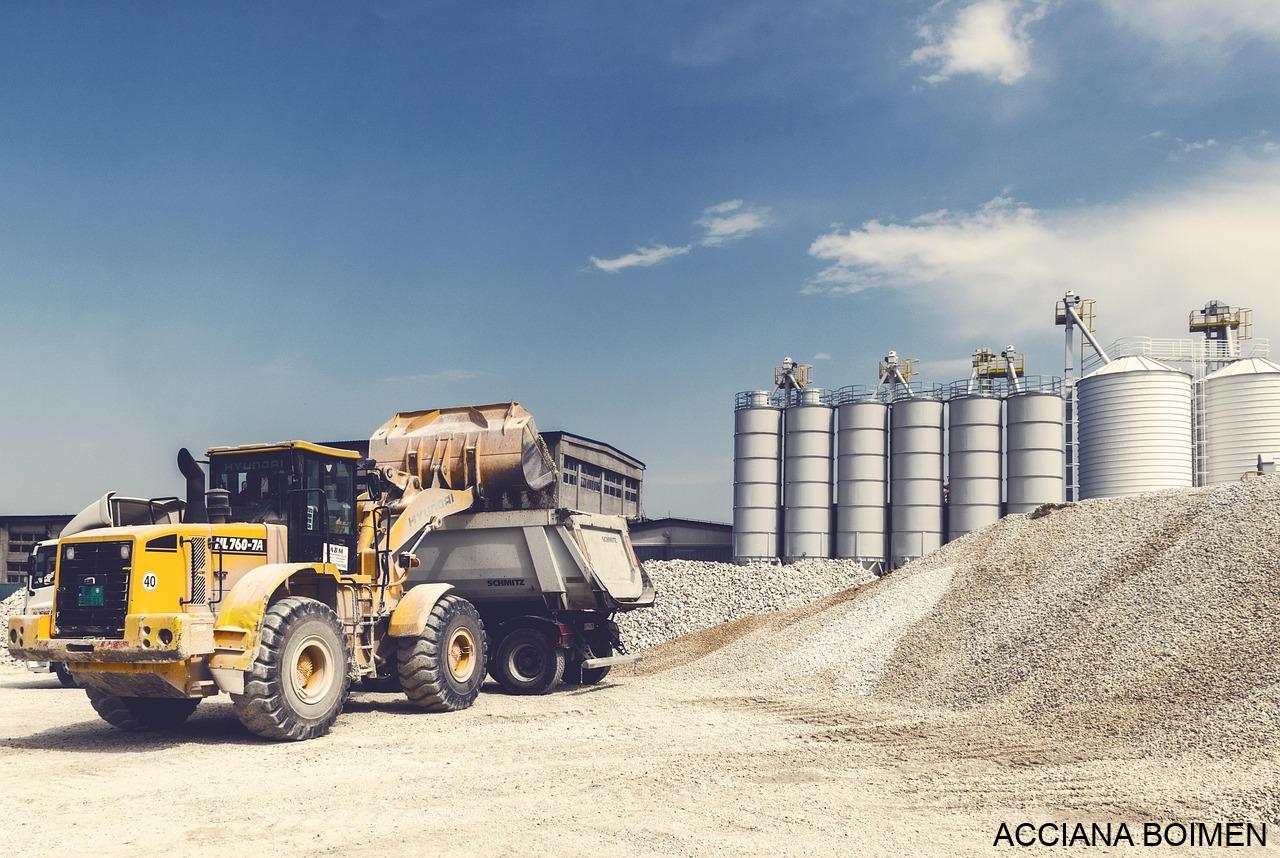
Germany’s construction and infrastructure sectors are actively seeking qualified heavy equipment operators from abroad. For workers in the United States and other countries who operate excavators, bulldozers, loaders, cranes, or road-building machinery, this demand can translate into real employment opportunities — but only if immigration, licensing, and labor rules are clearly understood.
Germany is not recruiting casually. The country faces demographic pressure: an aging workforce, declining birth rates, and sustained investment in housing, rail modernization, renewable energy projects, and public infrastructure. Skilled trades, including construction equipment operation, have become part of Germany’s broader skilled worker immigration strategy under its reformed Skilled Immigration Act.
Answer 8 quick questions and get a personalized eligibility report with your score, strengths, and next steps — in under 2 minutes.
Take our Advanced Quiz to uncover hidden strengths and get a full action plan to maximize your fellowship chances.
Based on both quizzes, you have a solid profile for fellowship and scholarship applications. Here's your action plan:
Germany’s Federal Employment Agency has repeatedly identified shortages in construction-related occupations. Large public works projects, energy transition initiatives, and private housing development all require trained operators who can handle specialized machinery safely and efficiently.
Unlike some seasonal labor shortages, this gap reflects structural demographic change. A significant share of Germany’s skilled trades workforce is approaching retirement age. Domestic vocational training pipelines have not fully replaced outgoing workers. As a result, employers are increasingly open to hiring qualified non-EU nationals — provided they meet certification and immigration standards.
Official labor market data and shortage occupation information are published through the Federal Employment Agency (Bundesagentur für Arbeit), while immigration rules are outlined by the Make it in Germany portal and the Federal Ministry of the Interior.
Advertisements1
Answer 5 quick questions and we'll match you with the best scholarships, visas, and work opportunities for your exact profile.
Ranked by compatibility with your profile
For U.S. citizens and other non-EU nationals, working legally in Germany requires a residence permit that authorizes employment. The most relevant pathways include:
This pathway applies if your vocational qualification is formally recognized in Germany. Heavy equipment operators typically complete structured vocational training (Ausbildung) in Germany, so foreign credentials must be assessed for equivalency.

Under recent reforms, Germany allows certain skilled workers without fully recognized qualifications to apply if they have substantial professional experience and a job offer. This route is still regulated and may require partial recognition or additional conditions.

The EU Blue Card is typically aimed at university-educated professionals meeting specific salary thresholds. Heavy equipment operators usually qualify under vocational, not academic, routes — so this pathway is less typical.
| Criteria | Skilled Worker (Recognized Qualification) | Skilled Worker (Experience-Based) |
|---|---|---|
| Formal Qualification Recognition | Full recognition required | Partial or alternative assessment possible |
| Job Offer Required | Yes | Yes |
| Federal Employment Agency Approval | Usually required | Typically required |
| German Language Requirement | Often A2–B1 level depending on role | May vary by employer and region |
| Pathway to Permanent Residency | Possible after several years of legal residence | Possible if long-term employment maintained |
One of the most significant hurdles for foreign operators is credential recognition. Germany regulates skilled trades carefully. Even if you have years of experience operating machinery in the United States, authorities may require formal evaluation of your training.
The recognition process (Anerkennung) compares your qualifications with the German vocational standard. If gaps are identified, you may need supplementary training or testing. Details are available via the official recognition portal at Anerkennung in Deutschland.
Additionally, employers may require proof of safety training, machine-specific certification, and compliance with German occupational safety rules. Construction sites operate under strict regulatory frameworks.
Mark, a 38-year-old excavator operator from Ohio, had 12 years of experience in road construction. He secured a job offer from a mid-sized German infrastructure contractor involved in rail expansion.
Before applying for a work permit, Mark submitted his vocational training documents for recognition. Authorities determined his qualifications were partially equivalent but required a short adaptation course focused on German safety regulations and machine standards.
After completing the course and demonstrating basic German language skills, his employer coordinated with the Federal Employment Agency for approval. The residence permit process took several months, including document verification and background checks. Only after formal authorization did Mark relocate and begin employment.
This example illustrates a realistic sequence: job offer first, recognition process, agency approval, then visa issuance. At no stage was employment guaranteed until authorization was formally granted.
Wages for heavy equipment operators in Germany vary by region, union agreements, and employer size. Western and southern states often pay more than eastern regions, but cost of living also differs.
Germany does not allow employers to undercut local wage standards when hiring foreign workers. Collective bargaining agreements in construction frequently set binding wage floors. The Federal Employment Agency reviews salary conditions during the approval process to ensure parity with domestic workers.
Workers should not assume U.S.-style overtime structures or pay models apply identically. German labor law includes regulated working hours, mandatory rest periods, and strong workplace safety enforcement.
Unlike some countries that use a points-based invitation system, Germany’s employment immigration is largely employer-driven. A concrete job offer is typically required before a residence permit application can proceed.
The employer may need to:
This review process functions similarly to labor market tests in other countries, although Germany has simplified procedures for recognized skilled workers.
Immigration rules can change, and each case is assessed individually. Admissibility factors — including criminal background and prior immigration history — affect eligibility.
Working in Germany offers regulatory stability, structured labor protections, and potential long-term residency options. However, applicants must weigh language adaptation, credential evaluation delays, taxation differences, and social integration challenges.
Construction work standards are high, and documentation requirements are detailed. While Germany provides a clear legal pathway for skilled worker immigration, it expects compliance with formal procedures.
Can U.S. citizens apply directly from Germany?
In some cases, U.S. citizens may enter visa-free and apply locally, but employment cannot begin until authorization is granted.
Is union membership mandatory?
Not always, but collective agreements strongly influence wages and conditions.
How long before permanent residency is possible?
Typically several years of continuous legal residence and employment, subject to language and integration requirements.
Germany’s demand for heavy equipment operators reflects broader structural labor shortages in construction and infrastructure. For qualified foreign workers, including those from the United States, there is a legitimate pathway to employment through the skilled worker immigration framework.
However, the opportunity is procedural rather than promotional. Success depends on credential recognition, employer sponsorship, language adaptation, and regulatory compliance. Those who approach the process with realistic expectations and a willingness to navigate administrative steps may find Germany a viable long-term employment destination.
Editorial note: This article is based on publicly available information from German government sources and labor authorities. It is intended for informational purposes only and does not constitute legal advice. Immigration regulations change, and readers should verify current rules through official government websites. The author has experience researching immigration systems and labor market policy.


