Physical Address
304 North Cardinal St.
Dorchester Center, MA 02124
Physical Address
304 North Cardinal St.
Dorchester Center, MA 02124
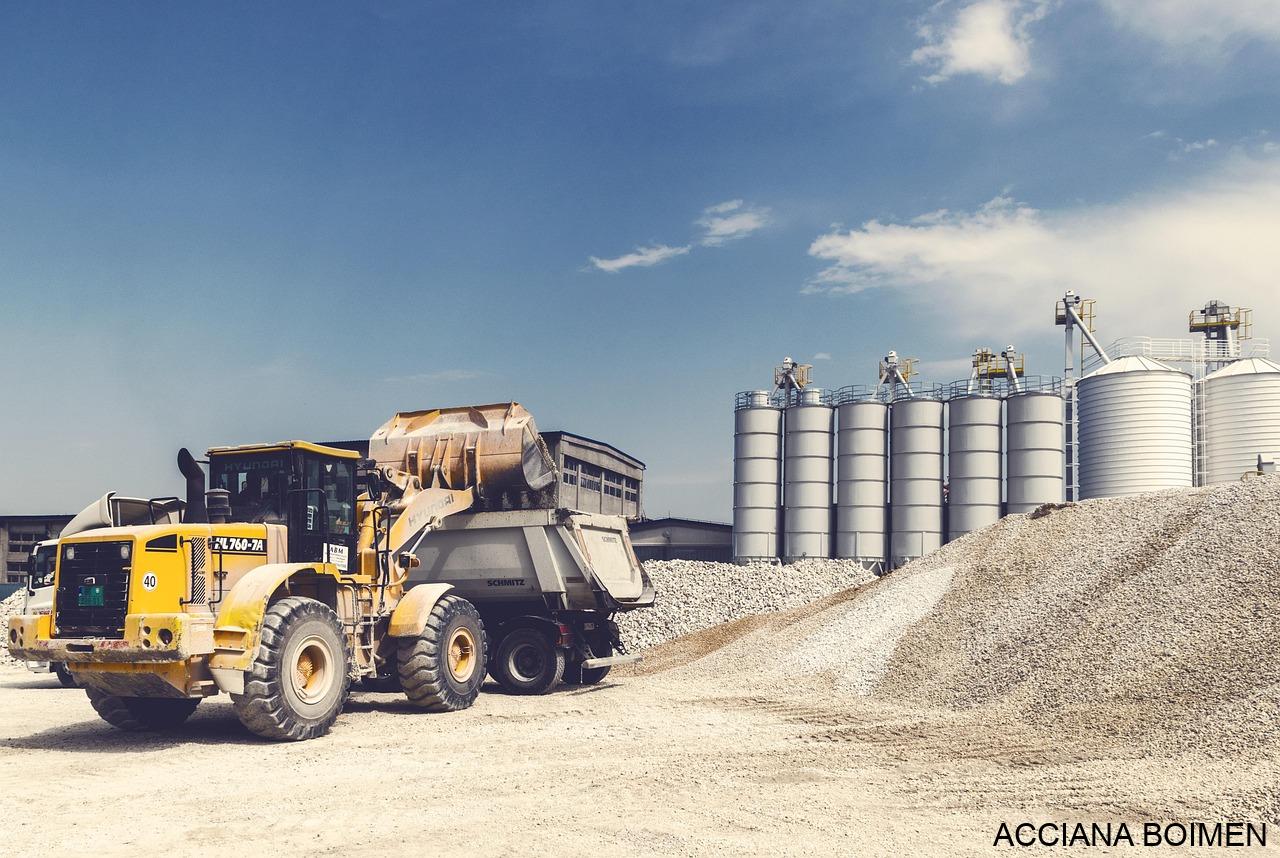
Germany’s construction, logistics, and industrial sectors depend heavily on skilled heavy machinery operators. Excavator drivers, crane operators, forklift specialists, and road construction equipment operators play a central role in maintaining infrastructure, expanding housing, and supporting manufacturing supply chains. For international workers, these roles can offer structured employment pathways under Germany’s skilled worker immigration framework—but only when licensing, qualifications, and labor market rules are properly understood.
Germany is not recruiting casually. It is responding to demographic pressure. An aging workforce and sustained infrastructure investment have created measurable gaps in technical trades. According to the Federal Statistical Office of Germany (Destatis), the construction workforce is aging faster than replacement rates. At the same time, transport and warehousing sectors continue to expand due to export demand and logistics modernization. Heavy equipment roles fall squarely within this tension: essential, practical, and difficult to automate in the short term.
Answer 8 quick questions and get a personalized eligibility report with your score, strengths, and next steps — in under 2 minutes.
Take our Advanced Quiz to uncover hidden strengths and get a full action plan to maximize your fellowship chances.
Based on both quizzes, you have a solid profile for fellowship and scholarship applications. Here's your action plan:
Most international applicants will rely on Germany’s Skilled Immigration Act (Fachkräfteeinwanderungsgesetz). The legal basis for entry and residence is managed through the Make it in Germany portal and the Federal Office for Migration and Refugees (BAMF).
For heavy machinery operators, eligibility usually depends on whether the applicant qualifies as a “skilled worker with vocational training.” Germany distinguishes between academic professionals and those with recognized vocational qualifications. Machinery operators fall into the vocational category.
| Pathway | Who It Applies To | Key Requirements | Residence Outcome |
|---|---|---|---|
| Skilled Worker Visa (Vocational) | Applicants with recognized technical or trade training | Recognized qualification, job offer, employment contract aligned with training | Residence permit tied to employment; renewable |
| EU Blue Card | Primarily university graduates | Recognized degree, salary threshold | Faster route to permanent residence |
| Opportunity Card (Chancenkarte) | Applicants without a job offer but meeting points criteria | Points-based assessment, proof of funds | Short-term job search residence |
Heavy machinery operators typically pursue the Skilled Worker Visa rather than the EU Blue Card, since most roles are vocational rather than academic.
Advertisements1
Answer 5 quick questions and we'll match you with the best scholarships, visas, and work opportunities for your exact profile.
Ranked by compatibility with your profile
Germany does not automatically accept foreign trade certificates. Before a work permit can be issued, qualifications must often undergo recognition through the official recognition system (Anerkennung). This process compares your training to German vocational standards.
If substantial differences are identified, applicants may need compensatory measures such as adaptation training or exams. Without recognized equivalency, a standard skilled worker residence permit is unlikely.
Practical experience alone may not be sufficient unless formally documented. Letters from employers, detailed job descriptions, and certified translations are commonly required.
Unlike some countries with quota-based systems, Germany ties most work permits to a concrete employment contract. The employer does not “sponsor” in the same way seen in other systems, but the job offer is central to approval.
The Federal Employment Agency reviews:
There is generally no formal labor market test for recognized skilled workers, but wage compliance is strictly examined.
Heavy machinery salaries vary significantly by region and union agreements. Western states such as Bavaria and Baden-Württemberg often pay more than eastern regions. Construction equipment operators commonly earn mid-range technical trade wages, with overtime and shift work affecting total income.
Applicants should understand that wages must be sufficient to support residence without reliance on public assistance. Germany’s immigration authorities will review whether employment is financially sustainable.
Ahmed, a 32-year-old excavator operator from North Africa, completed a three-year vocational training program and has eight years of documented work experience in road construction.
Step 1: He submits his vocational certificate for recognition. Authorities determine that his curriculum largely matches German standards but requires a short adaptation course focused on safety regulations.
Step 2: After completing the course, Ahmed secures a job offer from a medium-sized infrastructure contractor in Saxony.
Step 3: The Federal Employment Agency confirms that his salary and working conditions match collective agreements.
Step 4: He applies for a national visa at the German consulate, presenting:
Ahmed receives a residence permit linked to his employer. After several years of lawful employment and language integration, he may become eligible for permanent settlement under general residence rules.
This pathway required formal documentation, patience, and regulatory compliance. It was not automatic or expedited.
Heavy machinery operation in Germany requires adherence to strict occupational safety standards. Basic to intermediate German language ability is often expected, particularly for understanding safety instructions and team coordination.
Specific machinery licenses (for example, crane certification or forklift permits) may need to be converted or reissued under German regulations. Employers typically require proof of compliance with German workplace safety laws.
Immigration regulations change periodically. Applicants should verify current rules directly with official German authorities.
While demand exists, Germany’s labor market is structured and regulated. Union agreements, safety standards, and apprenticeship systems shape hiring practices. Employers often prefer candidates already familiar with EU work environments.
Regional variation matters. Urban infrastructure projects may generate short-term demand spikes, while rural regions may face persistent shortages but offer lower wages. Mobility within Germany can improve employment stability.
Integration also extends beyond employment. Housing shortages in major cities can complicate relocation. Social insurance contributions—health, pension, unemployment—are mandatory and deducted from wages.
Incomplete or inconsistent documentation is a frequent cause of delay.
Can I apply without a job offer?
Possibly, through the Opportunity Card if you meet the points threshold, but this requires proof of funds and does not guarantee employment.
Do I need a university degree?
No. Vocational training aligned with German standards is generally sufficient for machinery operator roles.
How long does processing take?
Timelines vary by consulate and documentation completeness. Delays are common if recognition is pending.
Can family members join?
Yes, under family reunification rules, provided income and housing requirements are met.
Heavy machinery jobs in Germany represent a viable but structured pathway for international workers with recognized vocational training. The country’s need for technical trades is driven by demographic decline and sustained infrastructure demand, yet access is governed by formal qualification standards, regulated wages, and careful administrative review.
Success depends less on labor shortages alone and more on preparation: credential recognition, language readiness, regulatory compliance, and patience with processing timelines. For applicants who approach the process methodically, Germany offers a stable employment framework rather than an informal or speculative migration route.
Editorial Note: This article is based on publicly available information from German government sources, including BAMF and Destatis. It is intended for informational purposes only and does not constitute legal advice. Immigration policies and processing times change regularly; readers should verify current requirements through official authorities. The author has experience researching immigration systems and labor market policy frameworks.


