Physical Address
304 North Cardinal St.
Dorchester Center, MA 02124
Physical Address
304 North Cardinal St.
Dorchester Center, MA 02124
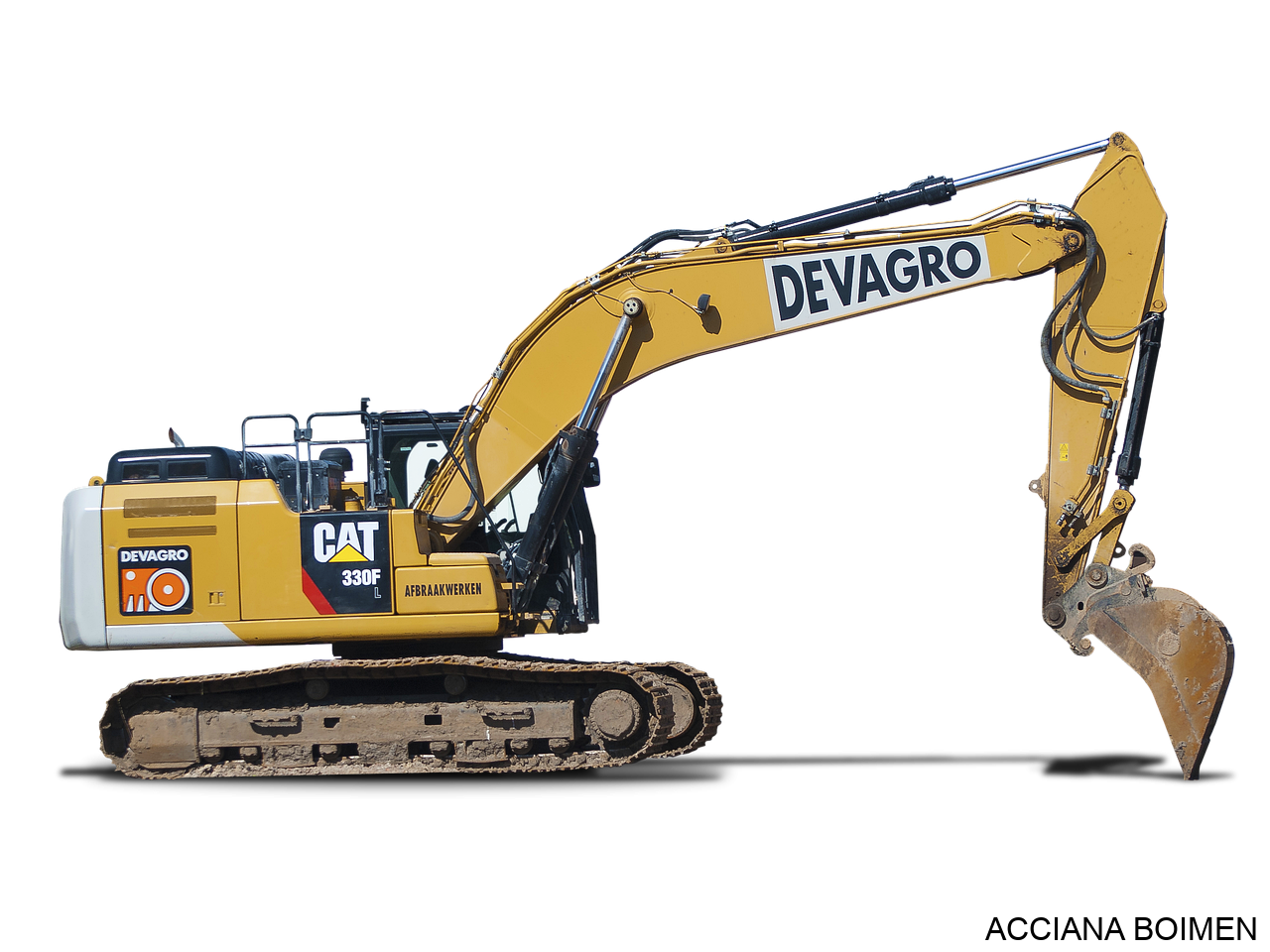
Germany’s construction sector has faced sustained labor shortages in recent years, particularly in skilled trades tied to infrastructure, housing, and energy transition projects. For U.S.-based readers exploring overseas employment, construction equipment operator jobs in Germany represent a realistic—but regulated—path into the country’s labor market. Understanding how the immigration system, credential recognition rules, and employer sponsorship requirements function is essential before considering any move.
Germany is not recruiting casually. Its immigration framework is designed to address demographic decline and sector-specific labor gaps while maintaining structured qualification standards. Construction equipment operators—those who handle excavators, loaders, cranes, graders, and other heavy machinery—fall within vocational trades that are increasingly relevant under Germany’s Skilled Immigration Act.
Answer 8 quick questions and get a personalized eligibility report with your score, strengths, and next steps — in under 2 minutes.
Take our Advanced Quiz to uncover hidden strengths and get a full action plan to maximize your fellowship chances.
Based on both quizzes, you have a solid profile for fellowship and scholarship applications. Here's your action plan:
Germany’s population is aging, and the domestic workforce in manual and technical trades is shrinking. At the same time, federal and state governments are investing in transportation upgrades, renewable energy infrastructure, housing construction, and industrial modernization. According to data from Germany’s Federal Statistical Office (Destatis), construction output remains a significant contributor to the national economy, particularly in civil engineering and residential building.
The shortage is not simply about headcount. German construction standards are technically regulated, and employers often require documented vocational training or demonstrable work experience. For foreign applicants, the key challenge is not finding general demand—it is meeting qualification recognition standards and securing lawful work authorization.
U.S. citizens cannot work in Germany without a residence permit that authorizes employment. The most relevant pathways for skilled trades include:
Advertisements1
Answer 5 quick questions and we'll match you with the best scholarships, visas, and work opportunities for your exact profile.
Ranked by compatibility with your profile
Official guidance is available through Make it in Germany and the Federal Office for Migration and Refugees (BAMF).
| Pathway | Who It Suits | Job Offer Required | Qualification Recognition | Long-Term Residency Option |
|---|---|---|---|---|
| Skilled Worker Visa | Applicants with recognized vocational training | Yes | Mandatory (German-equivalent qualification) | Yes, after required residence period |
| EU Blue Card | University graduates in high-salary roles | Yes | Recognized academic degree | Accelerated permanent residency possible |
| Opportunity Card | Points-based entry for job seekers | No (initially) | Recognized qualification or comparable experience | Convertible if employment secured |
For construction equipment operators, the Skilled Worker Visa is typically the most relevant route. The EU Blue Card is generally aimed at university-level professionals in higher-income fields and is rarely applicable to vocational trades unless combined with advanced engineering credentials.
Germany regulates many skilled trades through a dual vocational training system. Foreign applicants must undergo a recognition process (Anerkennung) to determine whether their qualifications are equivalent to a German vocational standard.
This assessment reviews:
If substantial differences are identified, applicants may need to complete adaptation training or pass a competency test. Without recognized qualifications, a full skilled worker residence permit may not be issued.
Germany does not use the term “visa sponsorship jobs” in the same way as some other countries, but employer participation remains central. For the Skilled Worker Visa, a binding job offer is required. The Federal Employment Agency reviews whether:
This is not a competitive labor market test in the traditional sense; reforms have reduced barriers for skilled trades. However, documentation must clearly demonstrate alignment between training and job duties.
Construction sites in Germany operate primarily in German. While some international firms use English in engineering roles, equipment operators are generally expected to understand safety instructions, technical documentation, and supervisory communication in German.
For most skilled worker permits, at least basic to intermediate German proficiency may be required, especially if partial qualification recognition is involved.
Mark, a heavy machinery operator from Ohio with over ten years of experience operating excavators and loaders, considers working in Germany after learning about infrastructure investments.
He first gathers documentation: trade school certificates, OSHA safety records, employer reference letters, and proof of equipment-specific training. He submits these for recognition assessment in Germany.
The assessment finds his training largely comparable but identifies differences in safety standards and site regulations. He is asked to complete a short adaptation course in Germany.
After securing a job offer from a regional construction firm willing to wait through the recognition process, Mark applies for a Skilled Worker Visa at the German consulate. Processing takes several months. Once approved, he relocates, completes the adaptation requirement, and begins work.
This example illustrates that the pathway is feasible but procedural. It requires documentation, employer cooperation, and patience.
Although shortages exist, employment is not automatic. Construction activity fluctuates with economic cycles, regional planning approvals, and public investment schedules. Southern and western Germany often show stronger construction demand than some eastern regions, but regional licensing and union agreements can influence hiring conditions.
Work conditions may differ from U.S. norms in terms of collective bargaining coverage, safety oversight, and standardized apprenticeship structures.
Incomplete documentation is a common cause of delays. Immigration rules change periodically, and applicants should verify requirements directly with German consular authorities.
Before pursuing construction equipment operator jobs in Germany, applicants should realistically assess:
Failure to meet these conditions can jeopardize residence status.
Skilled workers may apply for permanent settlement after residing in Germany for the legally required period, provided they have contributed to the statutory pension system, maintained lawful employment, and demonstrated sufficient language proficiency. Shorter timelines may apply in certain cases involving advanced language integration.
Permanent residency is not immediate and depends on continued compliance with immigration and employment rules.
Can U.S. citizens enter Germany first and apply later?
U.S. citizens may enter visa-free for short stays, but employment requires a residence permit. In many cases, the work authorization must be secured before beginning employment.
Is prior crane certification valid?
It may be considered, but formal recognition is required to confirm equivalency with German standards.
Are union memberships mandatory?
Not necessarily, but many construction workplaces operate under collective bargaining agreements.
Can family members accompany the worker?
Yes, under family reunification provisions, subject to income and housing adequacy requirements.
Construction equipment operator jobs in Germany exist within a structured labor and immigration framework shaped by demographic pressure and infrastructure investment. The opportunity is credible but regulated. Success depends less on general labor demand and more on qualification recognition, language preparation, and securing compliant employment.
For U.S. workers willing to navigate formal procedures and meet vocational equivalency standards, Germany offers a legally defined skilled worker immigration pathway. However, outcomes depend on individual credentials, employer cooperation, and evolving regulatory conditions.
Editorial Note: This article is based on publicly available information from German government sources, including BAMF and Destatis. It is for informational purposes only and does not constitute legal advice. Immigration regulations change, and readers should verify current requirements through official government websites. The author has experience researching immigration systems and labor market dynamics.


