Physical Address
304 North Cardinal St.
Dorchester Center, MA 02124
Physical Address
304 North Cardinal St.
Dorchester Center, MA 02124
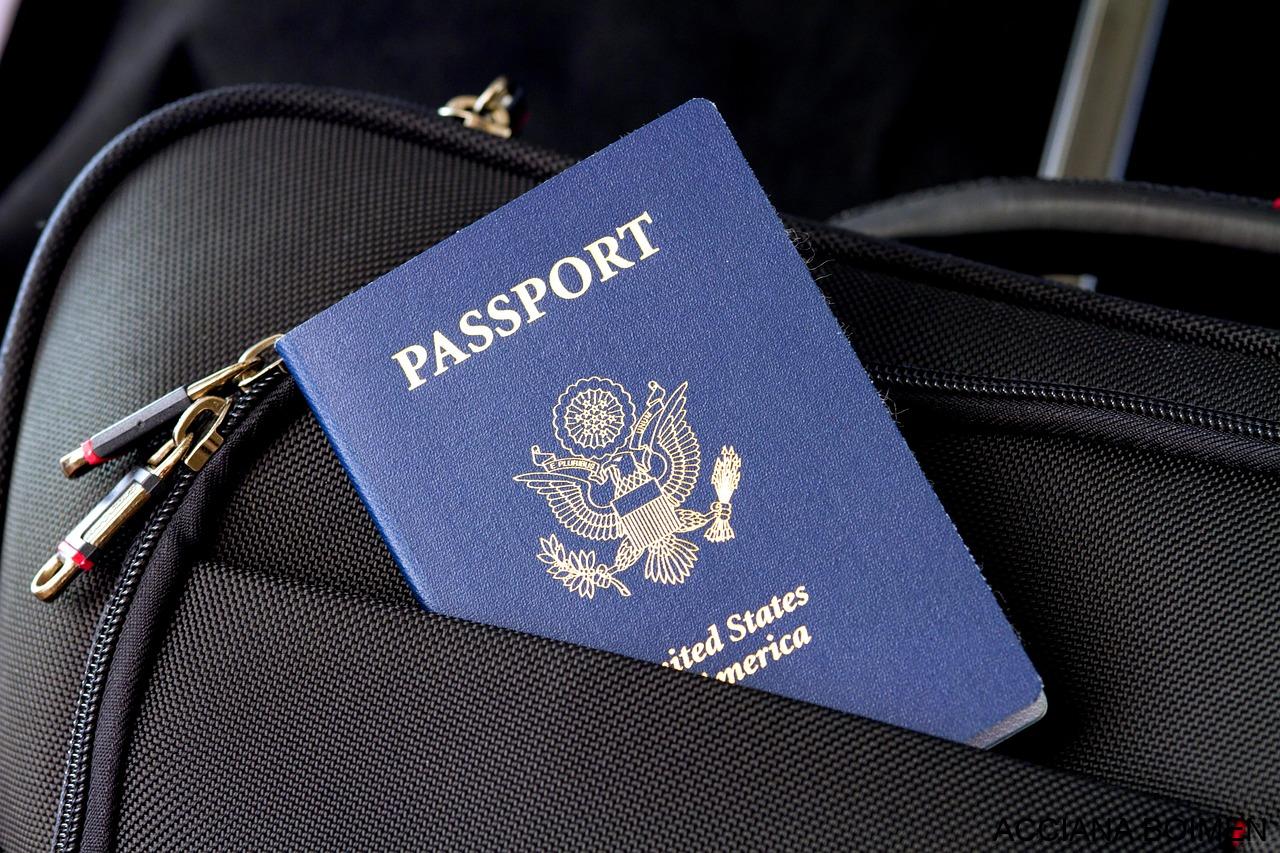
The phrase “visa sponsorship jobs in USA” usually reflects a practical question: can a foreign national legally work in the United States with the support of an employer? The short answer is yes—but only within clearly defined immigration categories, and only when both the employer and worker meet strict federal requirements. The U.S. does not operate a general open work visa. Most employment-based pathways are occupation-specific, employer-specific, and regulated by federal agencies.
Understanding how sponsorship works requires looking at labor policy, wage regulation, and immigration law together. U.S. work visas are designed to balance employer demand for skills with protections for the domestic labor market. For new applicants, clarity about this framework prevents costly misunderstandings.
Answer 8 quick questions and get a personalized eligibility report with your score, strengths, and next steps — in under 2 minutes.
Take our Advanced Quiz to uncover hidden strengths and get a full action plan to maximize your fellowship chances.
Based on both quizzes, you have a solid profile for fellowship and scholarship applications. Here's your action plan:
In the U.S. context, sponsorship means an employer petitions the federal government for permission to hire a specific foreign national for a specific role. The employer—not the worker—submits most of the paperwork. Approval is never guaranteed, and the worker cannot simply apply independently for most work visas.
Employment-based immigration is primarily administered by U.S. Citizenship and Immigration Services (USCIS) under the Department of Homeland Security. Official program rules are published by USCIS, while labor certifications and wage standards are regulated by the U.S. Department of Labor.
Not all jobs qualify for sponsorship. U.S. work visas are tied to defined categories that reflect economic and policy priorities.
Advertisements1
Answer 5 quick questions and we'll match you with the best scholarships, visas, and work opportunities for your exact profile.
Ranked by compatibility with your profile
| Visa Category | Who It’s For | Employer Role | Key Limitations |
|---|---|---|---|
| H-1B | Specialty occupations requiring at least a bachelor’s degree or equivalent | Files petition and Labor Condition Application (LCA) | Annual cap; lottery selection; employer-specific |
| H-2B | Temporary non-agricultural seasonal roles | Obtains temporary labor certification | Time-limited; annual quota |
| L-1 | Intra-company transferees (managerial or specialized knowledge) | Demonstrates qualifying corporate relationship | Must have worked abroad for related entity |
| O-1 | Individuals with extraordinary ability | Submits evidence of distinction | High evidentiary standard |
| EB-2 / EB-3 | Employment-based permanent residency categories | Completes PERM labor certification (in most cases) | Long processing times; visa number limits |
Each category has distinct eligibility criteria. For example, the H-1B requires that the job itself normally requires a degree in a specific specialty field. It is not enough for the worker to hold a degree; the position must legally qualify.
For many permanent residency pathways (particularly EB-2 and EB-3), employers must complete the PERM labor certification process through the Department of Labor. This involves advertising the role and demonstrating that no able, willing, qualified, and available U.S. worker applied.
This system exists to protect wage standards and prevent displacement of domestic workers. Employers must also pay at least the prevailing wage for the occupation in that geographic region. Wage data is published through the Department of Labor’s Office of Foreign Labor Certification.
These requirements explain why not all companies offer visa sponsorship jobs. Sponsorship involves legal costs, compliance obligations, and potential government audits.
Rahul, a software developer with a computer science degree, receives a job offer from a mid-sized U.S. technology firm. The role qualifies as a specialty occupation because it requires a bachelor’s degree in a directly related field.
After several years, the employer begins the EB-3 permanent residency process. This includes PERM recruitment, wage determination, and filing an immigrant petition. The process takes multiple years due to visa number backlogs.
Rahul’s experience illustrates a realistic timeline: temporary work authorization first, followed by a separate permanent residency pathway. At each stage, approval depends on regulatory compliance and visa availability.
The U.S. government permits employment-based immigration to address specific skill gaps, support innovation, and maintain competitiveness. Sectors that frequently use sponsorship include:
However, “demand” does not mean automatic eligibility. Many occupations are in demand but do not meet statutory definitions for specialty or shortage-based visas. Additionally, some employers are reluctant to sponsor due to compliance complexity.
While each category differs, applicants generally need:
Certain professions—such as healthcare or education—may require state-level licensing before employment begins. Credential recognition can delay timelines.
Failure to comply with visa conditions can jeopardize future immigration benefits.
Applicants should rely on official government sources for up-to-date policy details:
Rules, annual quotas, and procedural steps can change. Applicants should verify current filing windows and eligibility standards before making decisions.
Employer-sponsored work offers legal entry into the U.S. labor market and, in some cases, a pathway to permanent residency. However, it comes with trade-offs: limited job mobility, dependence on employer compliance, and potential exposure to economic downturns that affect sponsorship continuity.
For some individuals, alternative pathways—such as study-to-work routes or family-based immigration—may provide different flexibility profiles. The appropriate strategy depends on qualifications, timing, and long-term goals.
Visa sponsorship jobs in the USA exist within a tightly regulated framework designed to balance economic demand with labor market protections. For foreign professionals, the system offers structured opportunities—particularly in specialty occupations and advanced sectors—but it also imposes legal, procedural, and timing constraints. Success depends on employer compliance, occupation eligibility, and long-term planning rather than assumptions about demand alone.
Editorial Note: This article is based on publicly available information from U.S. government sources. It is provided for informational purposes only and does not constitute legal advice. Immigration regulations change frequently, and readers should verify current rules through official agencies. The author has experience researching immigration systems and labor market policy dynamics.


