Physical Address
304 North Cardinal St.
Dorchester Center, MA 02124
Physical Address
304 North Cardinal St.
Dorchester Center, MA 02124
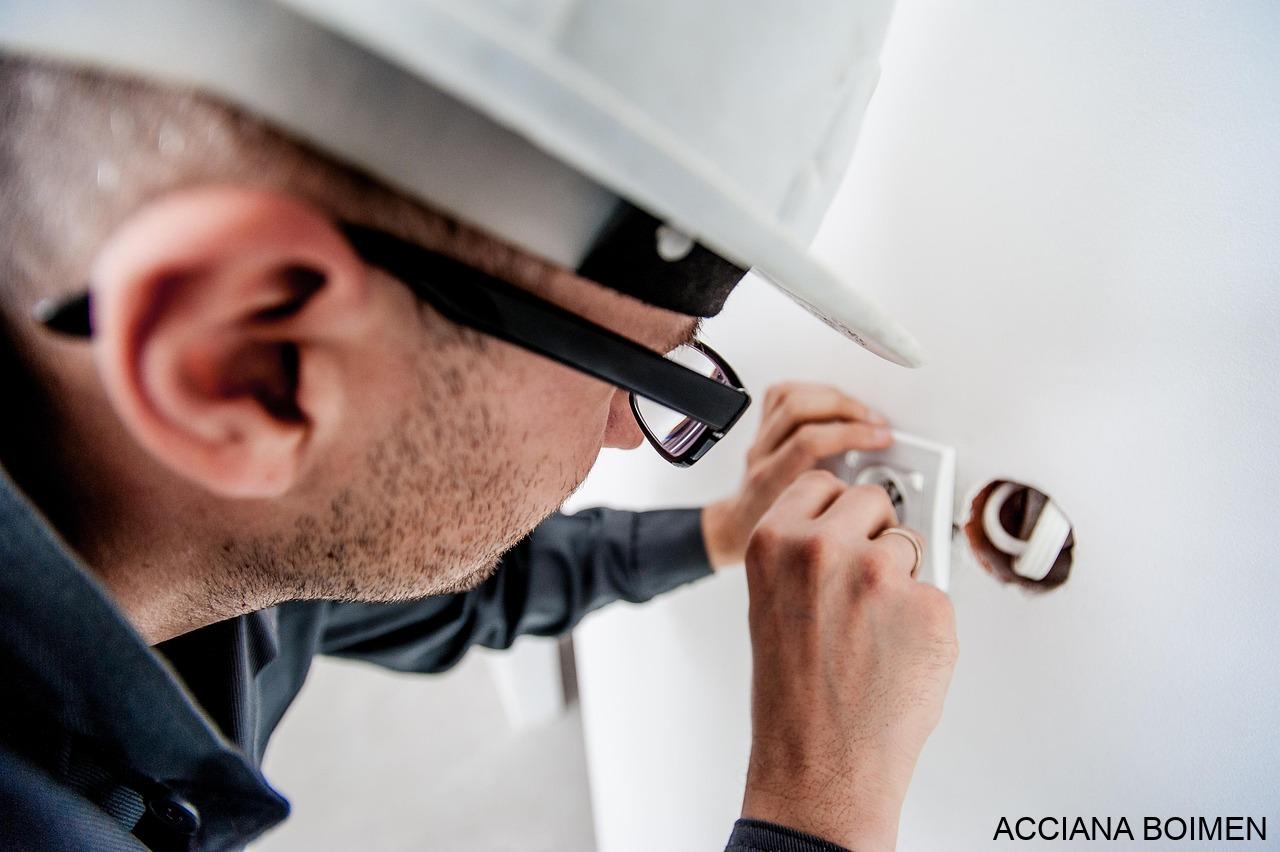
Electrician jobs in Australia attract strong international interest for a practical reason: the country faces ongoing demand for licensed tradespeople across residential construction, infrastructure projects, mining operations, and renewable energy development. For U.S.-based readers exploring skilled worker immigration pathways, understanding how Australia regulates electrical work is essential before considering any move.
Australia treats electrical work as a licensed occupation with strict safety standards. That means job opportunities exist, but access depends on skills assessment, trade recognition, and immigration eligibility. This article explains how the labor market functions, which visa pathways are relevant, and what practical commitments are involved.
Answer 8 quick questions and get a personalized eligibility report with your score, strengths, and next steps — in under 2 minutes.
Take our Advanced Quiz to uncover hidden strengths and get a full action plan to maximize your fellowship chances.
Based on both quizzes, you have a solid profile for fellowship and scholarship applications. Here's your action plan:
Australia’s demand for electricians is shaped by several structural factors:
The occupation of “Electrician (General)” appears on Australia’s Skilled Occupation Lists, which support certain skilled worker visa categories. You can verify occupation listings and visa criteria through the Australian Department of Home Affairs and labor data via the Jobs and Skills Australia.
Unlike some U.S. states where licensing varies significantly, Australia requires electricians to hold formal trade qualifications recognized nationally, but licensing is administered at the state or territory level. Even if you have years of experience in the United States, you cannot legally perform unsupervised electrical work without Australian-recognized credentials.
Advertisements1
Answer 5 quick questions and we'll match you with the best scholarships, visas, and work opportunities for your exact profile.
Ranked by compatibility with your profile
For migration purposes, most electricians must undergo a formal skills assessment conducted by Trades Recognition Australia (TRA). This process evaluates whether your qualifications and work history meet Australian standards.
Licensing requirements are enforced by state regulators such as those in New South Wales, Victoria, or Queensland. These agencies may require:
Electricians generally access Australia through skilled migration categories. The most common pathways include independent skilled visas and employer-sponsored visas.
| Visa Type | Employer Sponsorship Required | Permanent Residency | Key Eligibility Factors |
|---|---|---|---|
| Skilled Independent (Subclass 189) | No | Yes | Points-tested; occupation on skilled list; skills assessment; English requirement |
| Skilled Nominated (Subclass 190) | State nomination | Yes | State sponsorship; skills assessment; commitment to live in nominating state |
| Employer Nomination Scheme (Subclass 186) | Yes | Yes | Job offer; approved sponsor; skills assessment; work experience |
| Temporary Skill Shortage (Subclass 482) | Yes | Possible pathway | Approved employer; labor market testing; minimum skill and English standards |
Each pathway has distinct documentation requirements and processing times. Official visa details are available from the Department of Home Affairs – Working in Australia.
Under employer-sponsored routes, an Australian business must be an approved sponsor and demonstrate that no suitable local worker is available. This process, sometimes comparable in function to labor market testing systems in other countries, places administrative obligations on the employer.
Employers must meet salary benchmarks aligned with market rates and comply with Australian workplace law. Sponsorship does not eliminate licensing requirements; electricians must still meet trade recognition standards.
It is important to understand that sponsorship depends on business need, financial stability, and regulatory compliance. Not every employer is willing or able to undertake the process.
Daniel is a licensed electrician from Texas with eight years of residential and commercial experience. He is interested in relocating to Australia permanently.
Step 1: Skills Assessment. Daniel submits evidence of his apprenticeship, state license, and employer references to Trades Recognition Australia. He may be asked to complete a technical interview or practical assessment.
Step 2: English Testing. Although a native English speaker, he must still meet formal language testing benchmarks for migration purposes.
Step 3: Points Test. Daniel calculates his eligibility under the Skilled Independent visa system. Points are awarded for age, qualifications, work experience, and English proficiency.
Step 4: Expression of Interest. He submits an expression of interest and waits for invitation rounds, which depend on annual migration quotas.
Step 5: State Licensing. After visa approval, Daniel applies for an electrical license in the state where he intends to work, potentially completing gap training.
Daniel’s path involves multiple stages, each with documentation review and variable processing times. At no point is approval automatic.
Electrician wages in Australia vary by region, specialization, and industry sector. Mining and remote infrastructure roles often command higher compensation due to location and project complexity. Urban residential work may offer steadier employment but at different pay scales.
Applicants should consult official labor statistics from Jobs and Skills Australia for up-to-date occupational outlook data. Earnings depend on experience level, union agreements, overtime, and regional cost of living.
Incomplete or inconsistent documentation is a common source of delay. Immigration authorities assess both skills and admissibility factors.
Before pursuing electrician jobs in Australia, applicants should understand the practical commitments involved:
Migration policy settings can shift based on economic priorities, so requirements should always be verified against official sources.
Australia offers structured skilled migration pathways, but the regulatory environment is formal and documentation-heavy. Independent visas provide mobility but require strong points-test scores. Employer sponsorship may reduce points pressure but ties the worker to a sponsoring company.
Additionally, credential recognition can involve technical assessments even for experienced electricians. Applicants must be prepared for administrative steps that extend beyond simply securing a job offer.
Electrician jobs in Australia remain part of the country’s broader skilled worker immigration framework, shaped by infrastructure needs, energy policy, and demographic pressures. For qualified tradespeople, structured migration pathways exist, but they require formal skills recognition, regulatory compliance, and careful documentation.
Australia’s system prioritizes safety standards and labor market alignment. Success depends less on informal networking and more on meeting published eligibility criteria. Prospective applicants should approach the process methodically, verify current rules, and assess whether their qualifications align with Australian trade standards.
Editorial Note: This article is based on publicly available information from Australian government sources. It is provided for informational purposes only and does not constitute legal advice. Immigration regulations and labor market conditions change, and readers should verify current requirements through official government websites. The author has experience researching immigration systems and labor market dynamics.


