Physical Address
304 North Cardinal St.
Dorchester Center, MA 02124
Physical Address
304 North Cardinal St.
Dorchester Center, MA 02124
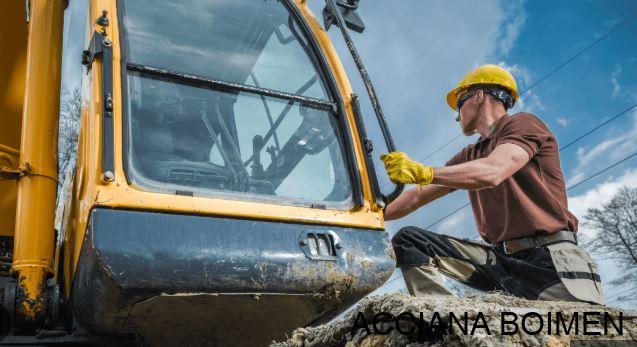
Germany continues to invest heavily in infrastructure, renewable energy, transportation networks, residential developments, and industrial projects. As demand for skilled construction professionals grows, employers are increasingly looking beyond the domestic workforce to recruit experienced operators from overseas.
For international workers with experience operating excavators, bulldozers, cranes, loaders, or other construction equipment, Germany offers attractive career opportunities, competitive salaries, modern working conditions, and, in many cases, employer support during the work visa process.
Answer 8 quick questions and get a personalized eligibility report with your score, strengths, and next steps — in under 2 minutes.
Take our Advanced Quiz to uncover hidden strengths and get a full action plan to maximize your fellowship chances.
Based on both quizzes, you have a solid profile for fellowship and scholarship applications. Here's your action plan:
Whether you already have years of experience or are planning to begin a career in heavy equipment operations, understanding Germany’s hiring requirements can help you prepare a stronger application and improve your chances of securing employment.
This guide explains everything you need to know about heavy machinery jobs in Germany for international workers, including salary expectations, required qualifications, visa options, job responsibilities, and practical tips for finding legitimate employers.
| Category | Details |
|---|---|
| Country | Germany |
| Industry | Construction & Infrastructure |
| Job Type | Full-Time |
| Experience | Entry-Level to Experienced |
| Visa Sponsorship | Available with some employers |
| Salary | €35,000–€65,000+ per year (varies by role and experience) |
| Working Hours | 38–40 hours per week |
| Overtime | Often available |
| Accommodation | Offered by some employers |
| Language | Basic German may be preferred depending on the role |
Germany is one of Europe’s largest construction markets. Large-scale investments in roads, railways, housing developments, renewable energy projects, and industrial facilities continue to create demand for skilled workers.
Advertisements1
Answer 5 quick questions and we'll match you with the best scholarships, visas, and work opportunities for your exact profile.
Ranked by compatibility with your profile
Heavy machinery operators play a vital role in these projects by operating specialized equipment safely and efficiently.
As experienced operators retire and new projects expand across the country, employers may recruit qualified workers from abroad when local hiring needs cannot be fully met.
Heavy machinery operators are responsible for operating large construction equipment used in excavation, earthmoving, road building, demolition, mining, and industrial construction.
Daily responsibilities may include:
Depending on the employer, operators may specialize in one type of machinery or work with several different machines throughout a project.
International applicants may find opportunities in several specialized roles.
Excavator operators prepare construction sites, dig foundations, install drainage systems, and perform earthmoving work.
Typical salary:
€38,000–€60,000 per year
Wheel loader operators transport gravel, soil, sand, and construction materials around project sites.
Average salary:
€36,000–€55,000 annually
Bulldozer operators level land, clear construction sites, and prepare roads.
Average salary:
€40,000–€62,000 annually
Crane operators handle heavy lifting operations and usually require additional certifications.
Average salary:
€45,000–€70,000+ annually
Backhoe operators perform excavation while assisting with utility installation and site preparation.
Average salary:
€38,000–€58,000 annually
Road construction companies hire machinery operators to work with asphalt pavers, rollers, and road-finishing equipment.
Average salary:
€40,000–€60,000 annually
Mining companies also recruit experienced operators for specialized machinery.
Typical equipment includes:
Germany offers several advantages for skilled construction professionals.
These include:
Many employers also invest in employee training to ensure operators remain up to date with modern construction technologies.
Heavy machinery positions may be suitable for applicants who have:
Some employers may also consider applicants with transferable experience from mining, agriculture, road construction, or industrial operations.
One of the biggest questions international applicants ask is whether German employers offer visa sponsorship. The answer is that some employers may support qualified foreign workers when they cannot find enough local candidates with the required skills. The exact process depends on the employer, the position, and German immigration regulations.
Companies involved in large infrastructure projects, civil engineering, logistics, mining, renewable energy, and industrial construction are more likely to recruit experienced operators from abroad.
Employer support may include:
Applicants should never pay unofficial recruitment fees or rely on agencies promising guaranteed jobs or visas.
Many international workers enter Germany through employment-based immigration pathways after receiving a valid job offer.
The general process includes:
Before applying for a work visa, applicants typically need an employment contract from a German employer.
Commonly requested documents include:
Additional documentation may be required depending on your nationality and the specific visa route.
After receiving a job offer, applicants submit their visa application through the relevant German authorities before travelling.
Processing times vary depending on the country of application and individual circumstances.
After visa approval, workers can relocate and begin employment according to the terms of their contract.
Although requirements vary, many employers prefer candidates who have:
Experience operating modern GPS-guided construction equipment can also strengthen an application.
Applicants with experience operating the following equipment may find more opportunities:
Having experience with multiple machine types can improve employability.
Language requirements depend on the employer and the project.
Some international construction companies use English as the primary workplace language, particularly on large projects with multinational teams.
However, learning basic German can offer several advantages:
Even a basic understanding of construction-related vocabulary can make a positive impression during the hiring process.
Salaries vary based on experience, qualifications, region, employer, overtime, and the type of machinery operated.
| Position | Estimated Annual Salary |
|---|---|
| Excavator Operator | €38,000–€60,000 |
| Bulldozer Operator | €40,000–€62,000 |
| Wheel Loader Operator | €36,000–€55,000 |
| Crane Operator | €45,000–€70,000+ |
| Road Construction Equipment Operator | €40,000–€60,000 |
| Mining Equipment Operator | €45,000–€75,000+ |
Experienced operators working on specialized industrial or infrastructure projects may earn higher salaries, particularly when overtime or shift allowances apply.
Employment packages differ between companies, but workers may receive benefits such as:
Always review your employment contract carefully to understand the exact benefits offered.
Heavy equipment operators are needed across multiple sectors, including:
Roads, bridges, tunnels, and public infrastructure.
Housing developments and apartment projects.
Factories, warehouses, logistics centres, and manufacturing facilities.
Wind farms, solar installations, and power infrastructure.
Extraction operations using specialized heavy equipment.
Railway expansion, station upgrades, and transportation projects.
Diversifying your experience across these sectors can increase the number of roles you qualify for.
Competition for skilled positions can be strong. These steps can strengthen your application:
Highlight:
Quantifying your experience—for example, the number of years operating excavators or cranes—helps employers assess your suitability.
Ensure all relevant operator licences and safety certifications are valid and clearly listed on your CV.
Even basic language skills can make your application more attractive and help with day-to-day communication once you arrive.
Submitting applications to several reputable companies increases your chances of securing interviews and receiving job offers.
Be ready to discuss:
Germany has thousands of construction and engineering companies that regularly recruit skilled machinery operators. While hiring needs change throughout the year, international workers often find opportunities with employers involved in:
Large companies generally look for experienced operators with a strong safety record and the ability to work efficiently in team environments.
Heavy machinery operators usually work outdoors on active construction sites. Working conditions vary depending on the project, weather, and employer.
Most full-time positions include:
| Working Condition | Typical Details |
|---|---|
| Weekly Hours | 38–40 hours |
| Overtime | Often available |
| Shift Work | Some projects require shifts |
| Safety Equipment | Provided by employer |
| Employment Type | Permanent or long-term contracts |
| Vacation | Paid annual leave according to employment agreement |
Construction companies in Germany are known for maintaining strict health and safety standards, making compliance with safety procedures an essential part of every role.
Heavy machinery operators can progress into higher-paying positions with additional experience and certifications.
Possible career paths include:
Many employers also provide internal training programs to help employees develop new technical skills and qualify for more advanced machinery.
Before accepting a job offer, it’s important to understand living expenses. Costs vary significantly between cities.
Large metropolitan areas such as Munich, Frankfurt, and Hamburg generally have higher housing costs, while smaller cities and rural regions are often more affordable.
Typical monthly expenses may include:
Many international workers choose shared accommodation during their first months to reduce expenses while settling into their new job.
Many qualified candidates reduce their chances of success by making avoidable mistakes.
A construction-specific CV highlighting machinery experience is much stronger than a general résumé.
Clearly mention every machine you have operated, including:
Specific experience helps recruiters quickly determine your suitability.
Employers place significant value on workplace safety.
Always include:
Understand the employer’s projects before attending interviews.
Showing knowledge of the company’s work demonstrates professionalism and genuine interest.
Visa processing times vary depending on your nationality and the documentation required.
Prepare all documents carefully and allow sufficient time for processing.
Operators with experience across several types of equipment are often more attractive to employers.
Safety performance is one of the most important hiring factors in the construction industry.
Even limited German language skills can improve workplace communication and help you integrate more easily.
Expired licences or outdated certifications can delay the hiring process.
Highlight:
Use trusted company career pages or established recruitment agencies.
Avoid offers that guarantee visas in exchange for large upfront payments.
Considering opportunities outside major cities may increase your chances of finding employment more quickly.
Some employers may evaluate your equipment handling skills before making an offer.
Construction companies value punctuality, teamwork, and consistent attendance.
Technology in heavy equipment continues to evolve. Familiarity with GPS-guided machinery, digital fleet management systems, and fuel-efficient equipment can improve your long-term career prospects.
Yes. Qualified international workers may be hired by German employers, provided they meet the job requirements and obtain the appropriate authorization to work.
Some employers assist eligible foreign workers with employment-related immigration processes, but sponsorship policies vary by company and position.
Many employers prefer applicants with relevant experience operating heavy construction equipment, although requirements vary depending on the role.
Not always. Some international employers use English on construction sites, but learning German can improve communication, workplace safety, and career opportunities.
Specialized operators, such as crane operators and mining equipment operators, often receive higher salaries because of the additional skills and certifications required.
Yes. Many international workers begin the recruitment process while living abroad. If selected, the employer will explain the next steps required before relocating.
Germany remains one of Europe’s strongest economies, with ongoing investment in infrastructure, transportation, renewable energy, and industrial development.
For experienced heavy machinery operators, this creates opportunities to build a stable career while working with modern equipment on large-scale projects.
With competitive salaries, professional development opportunities, and strong workplace standards, Germany continues to attract skilled construction professionals from around the world.
Heavy machinery jobs in Germany offer promising opportunities for international workers who have the right experience, qualifications, and commitment to workplace safety. Whether you specialize in excavators, loaders, bulldozers, cranes, or road construction equipment, employers across Germany continue to seek skilled professionals for infrastructure and industrial projects.
Success begins with preparing a professional CV, keeping your certifications up to date, understanding the visa process, and applying through reputable employers. Taking these steps can significantly improve your chances of securing a rewarding position and building a long-term career in Germany’s construction sector.


